

News Archives » Asia
Chevron Human Rights Resolution Supported by Oblates June 18th, 2009
 Using a proxy from the Missionary Oblates, Michael Eisenscher of U.S. Labor Against the War addressed the Annual General Meeting of the Chevron Corporation on May about the company’s efforts to profit from Iraqi oil. The company profited, in particular, from a widely-opposed oil law that would give foreign corporations like Chevron almost complete control of Iraq’s oil industry, to the detriment of the rights of ordinary Iraqis.
Members of the True Cost of Chevron coalition presented their alternative annual report directly to Chevron management and CEO David O’Reilly (who disparagingly responded during the meeting that it “deserves the trash can”). Edited and painstakingly researched by Antonia Juhasz, with help from a coalition of over a dozen groups, “The True Cost of Chevron” highlights the tragic human consequences that are the flip side of the record profits Chevron collected in 2008. It can be downloaded for free at http://truecostofchevron.com/report.html
Chevron is finding itself increasingly in the spotlight over the harmful consequences of its operations, and shareholders are deeply concerned, as evidenced by the 28% support yet again this year for the resolution calling for a clear human rights policy. 28% is considered extremely good performance for a shareholder resolution of this type. Investors representing billions of dollars in Chevron stock have spoken up in support of greater social responsibility, and although the True Cost of Chevron’s coalition’s speakers inside the meeting were treated dismissively by CEO O’Reilly, Chevron is taking notice.
Demand for a Globally Negotiated and Increased SDR Funding Without Conditionalities June 3rd, 2009
Stop increased funding to the IMF which only makes it a stronger enforcer of developed country restrictions through conditionalities.
NGOs Oppose Nearly 100-Billion-Dollar Pledge to IMF
WASHINGTON, May 31 (IPS) – A broad coalition of civil society groups, as well as some U.S. lawmakers, are fighting what they call a “blank cheque” from the U.S. to expand funding for the International Monetary Fund (IMF).
On May 22, the Senate passed a 91.3 billion-dollar-wartime spending bill that included 108 billion dollars for the Washington-based Fund. The bill will now have to be reconciled in a conference committee between the Senate and the House of Representatives whose own version omitted any IMF funding. The funding was the U.S. part of a larger package agreed by the G20 leaders at their April meeting in London, where they pledged to provide 1.1 trillion dollars in additional funding to the IMF.
Click here to read more »
Tribute to Fr. Mariampillai T. Sarathjeevan, OMI May 26th, 2009
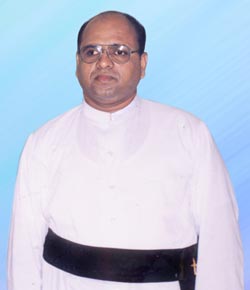
Rev. Fr. Mariampillai T. Sarathjeevan. OMI
Rev. Fr. Mariampillai T. Sarathjeevan died tragically of heart failure during the final evacuation of the so-called “No-Fire Zone” in northern Sri Lanka. Fr. Sara, as he was known, was determined to stay with his people trapped between the Sri Lankan Army and the Liberation Tigers of Tamil Eelam. He cared for the wounded, buried the dead and gave spiritual support to those around him during the months of intense fighting. Those who survived the fierce, daily bombardment were able to escape when the LTTE decided to ‘silence their guns’ on Monday, May 18.
A moving remembrance of Fr. Sara has been written by Fr. David Manuelpillai, OMI. (Download PDF)
Khasi People Continue to Protest Destruction of their Forest May 20th, 2009
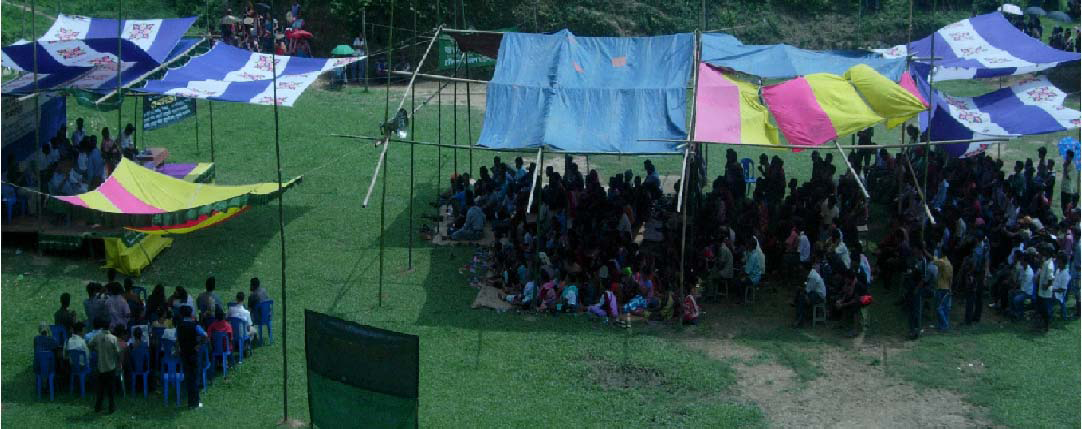
The Khasi people of Sylhet, supported by the Oblates there, have been fighting the cutting of the forest on which the people depend for their living. These efforts are also critically important for protecting area ecosystems.
On May 9th, the Khasi people staged a large public gathering to protest the continued logging as well as tea plantation expansion plans by a powerful landowner.
Click here to read more »
Sri Lanka: Repeated Shelling of Hospitals Evidence of War Crimes May 11th, 2009

Mullivaikkal hospital shelled on 3 May 2009 at 9 am
With 30 attacks reported on medical facilities since December, Human Right Watch warns that commanders responsible for such attacks may be prosecuted for war crimes.
The Sri Lankan armed forces have repeatedly struck hospitals in the northern Vanni region in indiscriminate artillery and aerial attacks according to the respected international human right monitoring organization.
One of the deadliest of these attacks on medical facilities took place on May 2, when artillery shells struck Mullaivaikal hospital in the government-declared “no-fire zone,” killing 68 persons and wounding 87.
Government medical personnel in the war zone carefully report the GPS coordinates to the government in a vain effort to protect the facilities in the intense bombardment of the crowded area. An estimated 100,000 civilians are trapped between the two armies, unable to escape the fighting.
“Hospitals are supposed to be sanctuaries from shelling, not targets,” said Brad Adams, Asia director at Human Rights Watch. “While doctors and nurses struggle to save lives in overcrowded and under-equipped facilities, Sri Lankan army attacks have hit one hospital after another.”
The Oblate JPIC office has joined Human Rights Watch in criticizing both the Sri Lankan armed forces and the separatist Liberation Tigers of Tamil Eelam (LTTE) for numerous violations of the laws of war during the recent fighting.
