

News Archives » climate change
Sacred Heart GreenTeam Earth Day 2026 Community Cleanup April 22nd, 2026
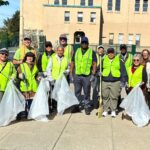
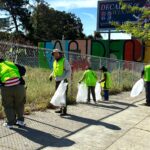
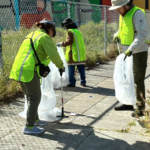
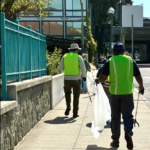
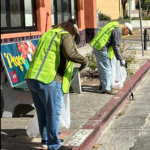
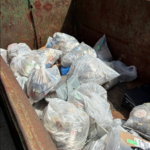
This past weekend the Earth Day 2026 community cleanup at Sacred Heart Church, Oakland, CA went down. Sacred Heart’s GreenTeam in collaboration with the neighborhood association, collected over 2000 gallons of trash.
It was a great turnout, nice weather, good people all came out to do something out of appreciation for Our Common Home!
(PHOTOS courtesy of Carrie Lee McClish)
Happy Earth Day 2026: Our Power, Our Planet April 22nd, 2026
Earth Day, annually celebrated on April 22, is the largest secular observance in the world. It was first observed in 1970.
- 2026 Theme – Our Power, Our Planet: This theme emphasizes the power of communities, innovators, and individuals to drive climate action and adopt sustainable practices.
Celebrated worldwide, events include community cleanups, educational workshops, tree plantings, and town halls, highlighting that local action drives global change.
Oblate Prayer for Justice, Peace, and Integrity of Creation October 20th, 2025
This prayer from “Praying with Laudato Sí: A Retreat Guide for Individuals and Communities,” a resource developed by the Oblate Congregation’s General Service of Justice, Peace, and Integrity of Creation (GS-JPIC), invites us to slow down, reflect, and reconnect with the gift of creation.
May we “leave nothing undared” in our ministry for Justice, Peace, and Integrity of Creation.
DOWNLOAD PRAYER: https://bit.ly/4qkgkMr
RETREAT GUIDE: https://bit.ly/3L0fbJD
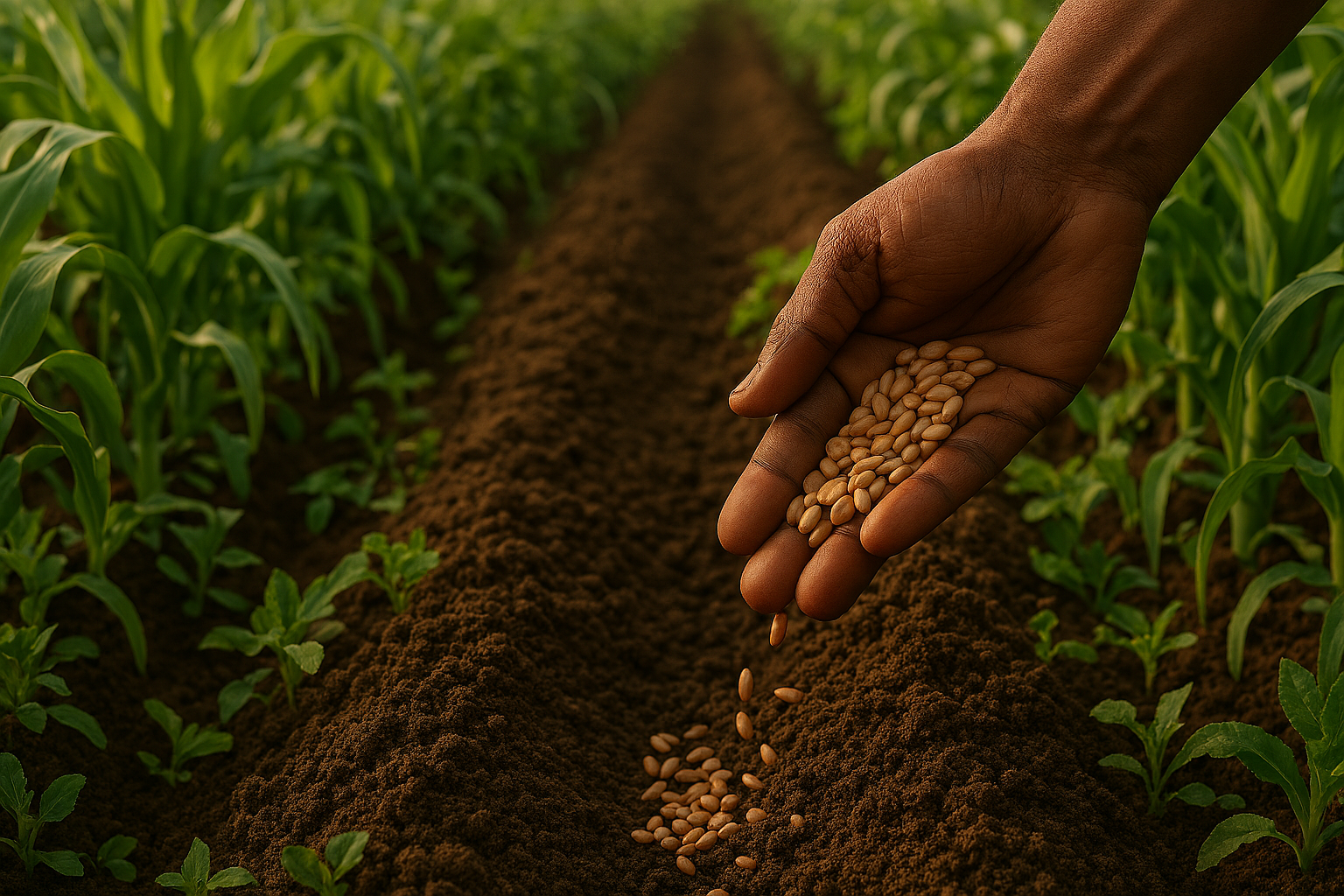
Concluding the 2025 Season of Creation – “Seeds of Peace and Hope” October 8th, 2025
(By Maurice Lange, Justice & Peace Director at Presentation Sisters & founder of the Oblate Ecological Initiative)
“An integral ecology is also made up of simple daily gestures which break with the logic of violence, exploitation and selfishness.” (Laudato Si #230)
READ: 9th (final) part of Pope Leo’s letter for the 2025 Season of Creation (view PDF)

Photo: “La Vista” from bluffs overlooking the mile-wide Mississippi River – home of Oblate Ecological Initiative & La Vista Ecological Learning Center
REFLECTION: “Among the Church’s initiatives that are like seeds sown in this field…”. In this critical time, I am SO heartened to see the Church sowing the seeds of ecological initiatives. In addition to the Borgo Laudato Si project, examples from the Laudato Si Movement and Catholic Climate Covenant inspire! These ministries are the fruits started as seed from Pope John Paul II in 1990: “A new ecological awareness is beginning to emerge which, rather than being downplayed, ought to be encouraged to develop into concrete programs and initiatives.”
* What integral ecology project, initiative or ministry inspires & challenges you?
ACTION: This Season of Creation has been completed, and, our work continues: as there are plenty of models out there of anything but integral ecology. Why not become the change you wish to see in the world? Encourage and join with others as models in becoming seeds of peace and hope which will indeed multiply… and bear much fruit
-
Visit the Presentation Sisters, US Province’s WEBSITE
 READ MORE OF MAURICE’S WEEKLY REFLECTIONS
- Week 1: 2025 Season of Creation Reflection
- Week 2: 2025 Season of Creation Reflection
- Week 3: 2025 Season of Creation Reflection
- Week 4: 2025 Season of Creation Reflection
- Week 5: 2025 Season of Creation Reflection
- Week 6: 2025 Season of Creation Reflection
- Week 7: 2025 Season of Creation Reflection
- Week 8: 2025 Season of Creation Reflection
- Week 9: 2025 Season of Creation Reflection
2025 Season of Creation: “Seeds of Peace and Hope” Reflection #6 October 1st, 2025
(By Maurice Lange, Justice & Peace Director at Presentation Sisters & founder of the Oblate Ecological Initiative)
“The entire material universe speaks of God’s love, his boundless affection for us. Soil, water, mountains: everything is, as it were, a caress of God.” (Laudato Si #84)
READ: 6th part of Pope Leo’s letter for the 2025 Season of Creation (view PDF)
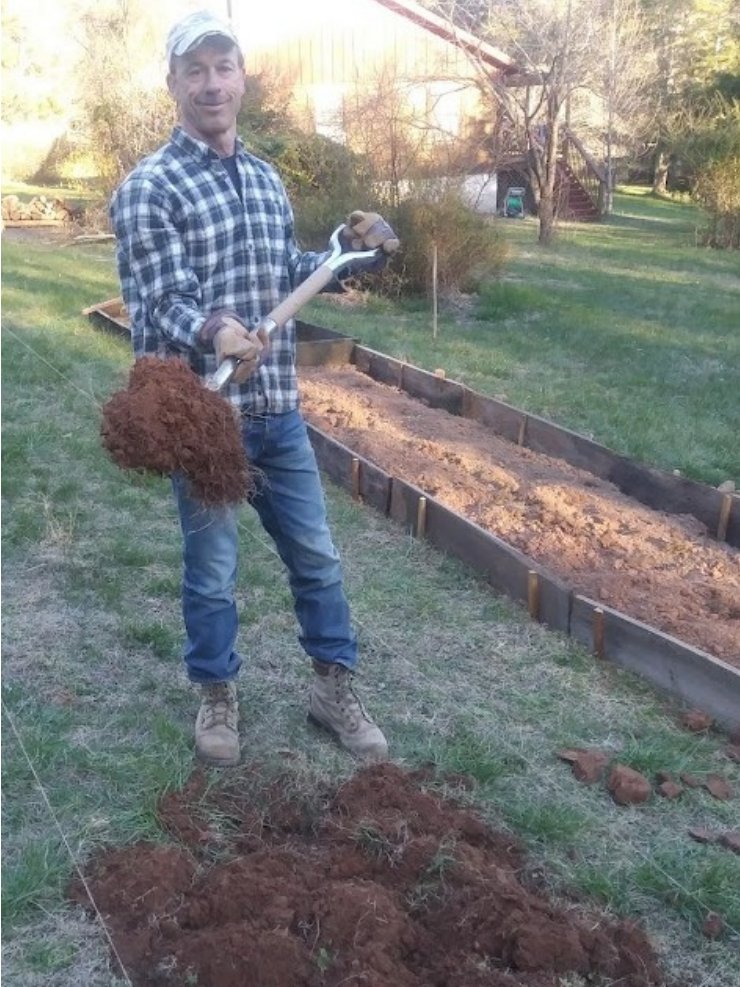
Maurice tills his garden
REFLECTION: “The biblical texts…tell us to ‘till and keep’ the garden of the world.” Pope Leo quotes or references Pope Francis’ legacy 10 times in this letter! Here we read from Laudato Si (paragraph 67-Reflection Page 2) about tilling and keeping. When I till my garden, I am working with it. I know that neither I nor my garden would exist without microbes.
That kind of recognition humbles one. > (humbles = humus = brought back to Earth)
Thomas Berry calls for humans to be in a mutually-enhancing relationship with Earth. Francis and Leo both set forth Thomas Berry’s call as implied in the sustainable wisdom of the Bible.
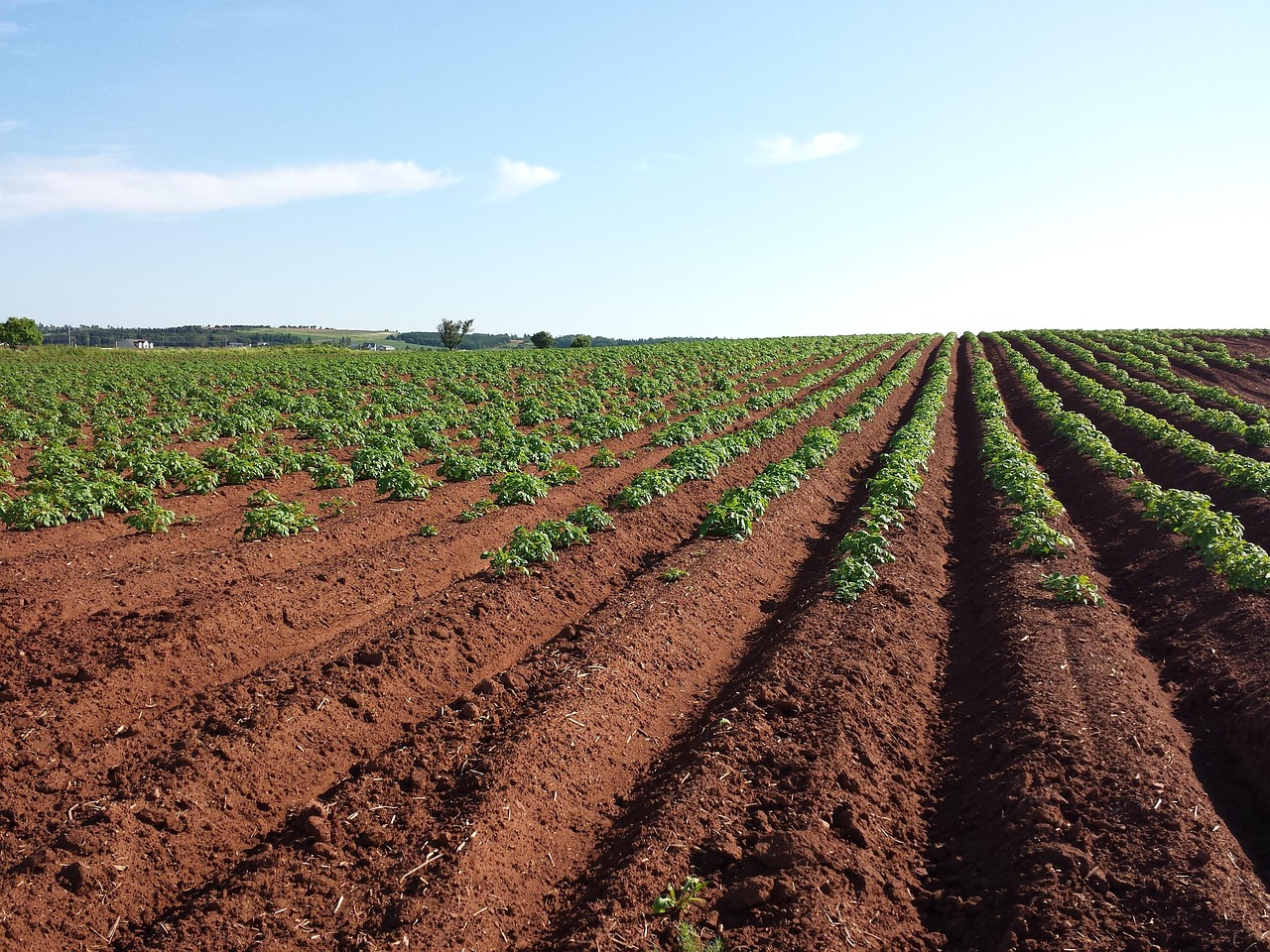
ACTION: Tyrants don’t consider microbes. We should! If we are to be effective in our ecological vocations, tilling and keeping, we should engage in wonder and awe at the billions of microbes in one teaspoon of healthy soil. Learn what is literally beneath your feet, and what you owe your life to, by watching this short video from the BBC: “Why Soil is One of Most Amazing Things on Earth”.
(Image 1: Garden: Maurice Lange)
(Image 2: Soil on a Farm: by Meganelford0, Pixabay)
-
Visit the Presentation Sisters, US Province’s WEBSITE
 READ MORE OF MAURICE’S WEEKLY REFLECTIONS
- Week 1: 2025 Season of Creation Reflection
- Week 2: 2025 Season of Creation Reflection
- Week 3: 2025 Season of Creation Reflection
- Week 4: 2025 Season of Creation Reflection
- Week 5: 2025 Season of Creation Reflection
- Week 6: 2025 Season of Creation Reflection
- Week 7: 2025 Season of Creation Reflection – COMING SOON
- Week 8: 2025 Season of Creation Reflection – COMING SOON
- Week 9: 2025 Season of Creation Reflection – COMING SOON
